

Dog Arching Back and Walking Off Balance: What to Do Next
Is your dog arching its back like a cat? When this behavior persists outside of your pup’s regular stretching routine, it could actually indicate a medical emergency. Back arching, also called kyphosis, can alternatively be described as abdomen tucking, which makes sense, as it often suggests gastrointestinal distress. However, it is also an extremely common…

Preventing Dog Obesity: How to Give Your Dog a Longer, Healthier, Happier Life
The Association for Pet Obesity Prevention reports that 55.8% of America’s dogs are overweight. Just like in humans, dog obesity can lead to heart disease, diabetes, arthritis, and even cancer. Extra pounds also exacerbate other conditions in dogs, like neurological issues. In fact, obese dogs of all breeds are at increased risk of Intervertebral Disc…
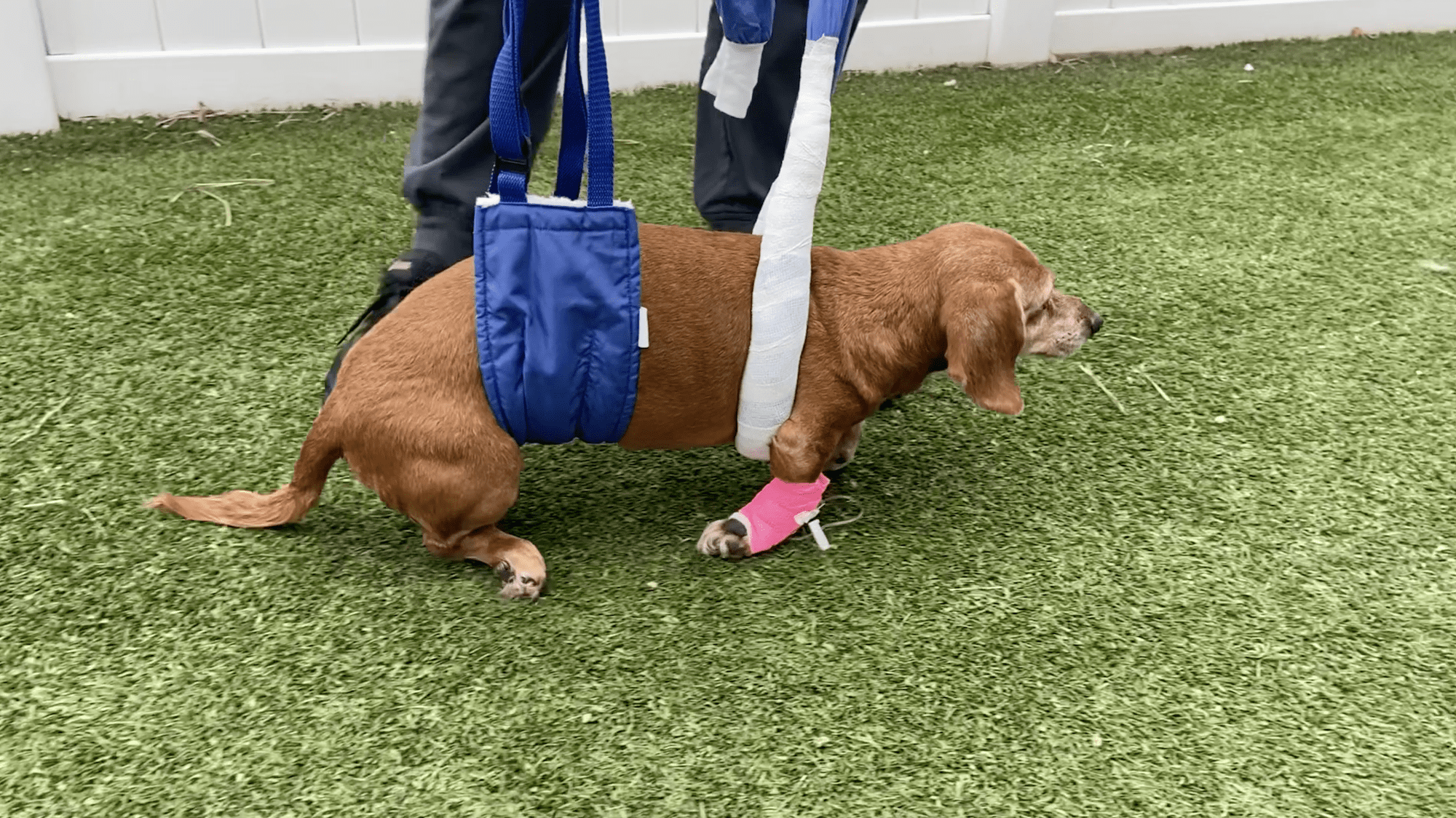
My Dog Can’t Stand Up: What You Should Do
There are many possible reasons why a dog can’t stand up, ranging from toxicity, injuries, and orthopedic reasons to infections, illnesses, and cardiovascular reasons. Here, we will take a look at five neurological reasons for your dog’s sudden inability to stand. 5 Neurological Reasons Your Dog Can’t Stand Up As veterinary neurologists, one of the…
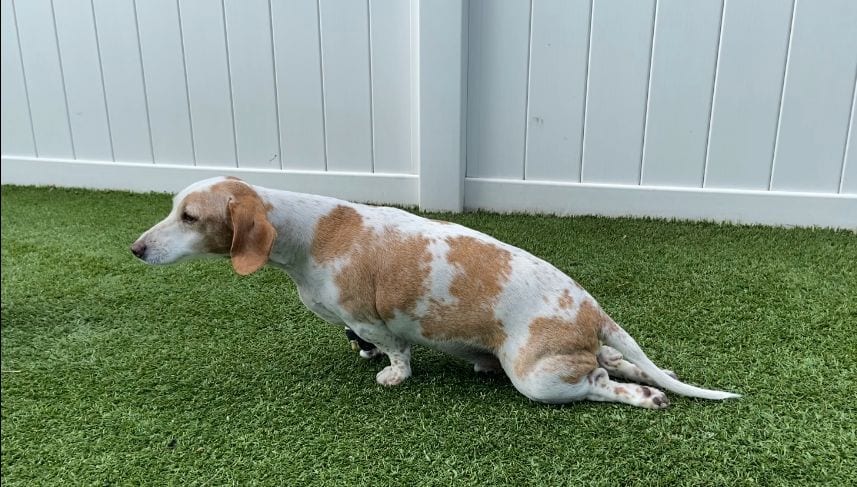
Intervertebral Disc Disease (IVDD) in Dogs: Everything you need to know
It’s ruff to watch someone we love suffer – especially when that someone can’t tell us what’s wrong. So it’s our job as pet parents to look for clues. Is your dog holding its head low or yelping when touched? Walking wobbly or dragging its limbs? Your poor pup might have back pain… and may…

Are Neurological Disorders in Dogs Treatable?
Ultimately, most pet owners ask me one simple question when their pet is having a neurological problem: Can You Fix My Pet? Neurological disorders in dogs and cats can be very scary to the pet and to the pet family. The nervous system is the part of the body responsible for things like walking, coordination,…
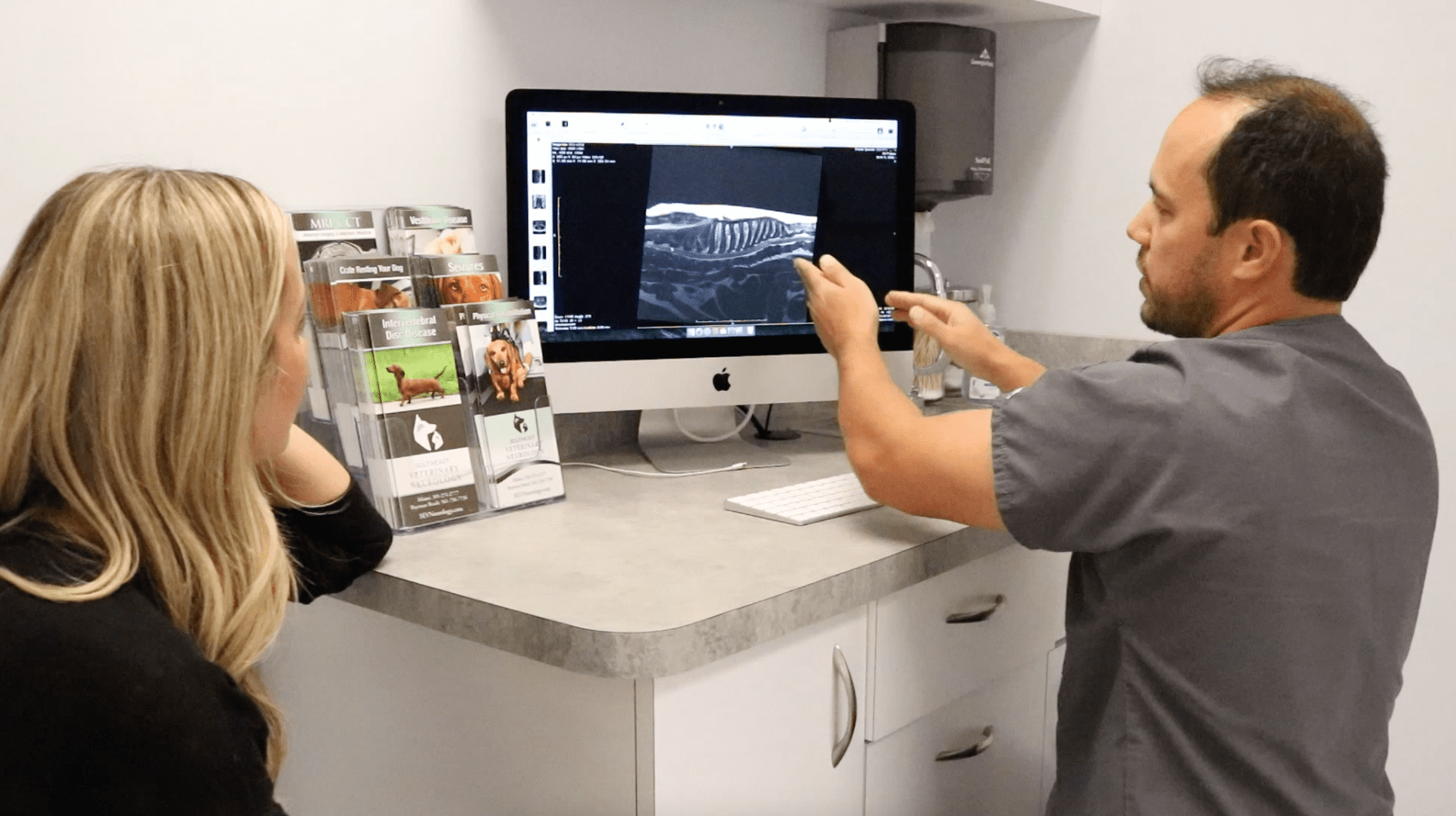
Five Things Every French Bulldog Owner Needs To Know About IVDD
I absolutely love French bulldogs. I’m a Pug person at heart, but there’s just something about those ears, those eyes, that face, that I can’t resist in a French bulldog. If you’re reading this, I suspect you feel the same way. As with any breed, French bulldogs are predisposed to getting certain diseases. For example,…
Common Questions About Intervertebral Disc Disease (IVDD)
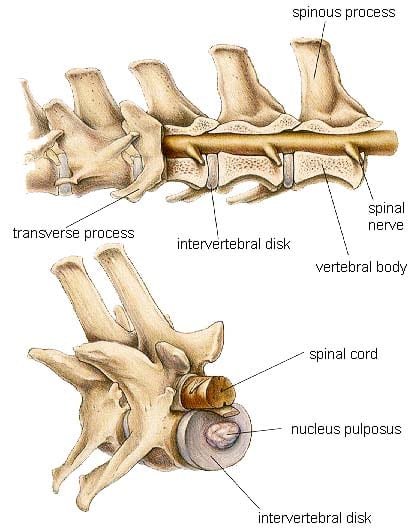
1. Why does Intervertebral Disc Disease (IVDD) happen? There are two general types of IVDD, Types I and II. Type I IVDD typically affects younger to middle aged chondrodysplastic dogs (smaller dogs with short legs) such as the Dachshund, and usually results in an acute onset of clinical signs. Type I IVDD degeneration begins early…
- « Previous
- 1
- 2