
Read Our Blog
Home »
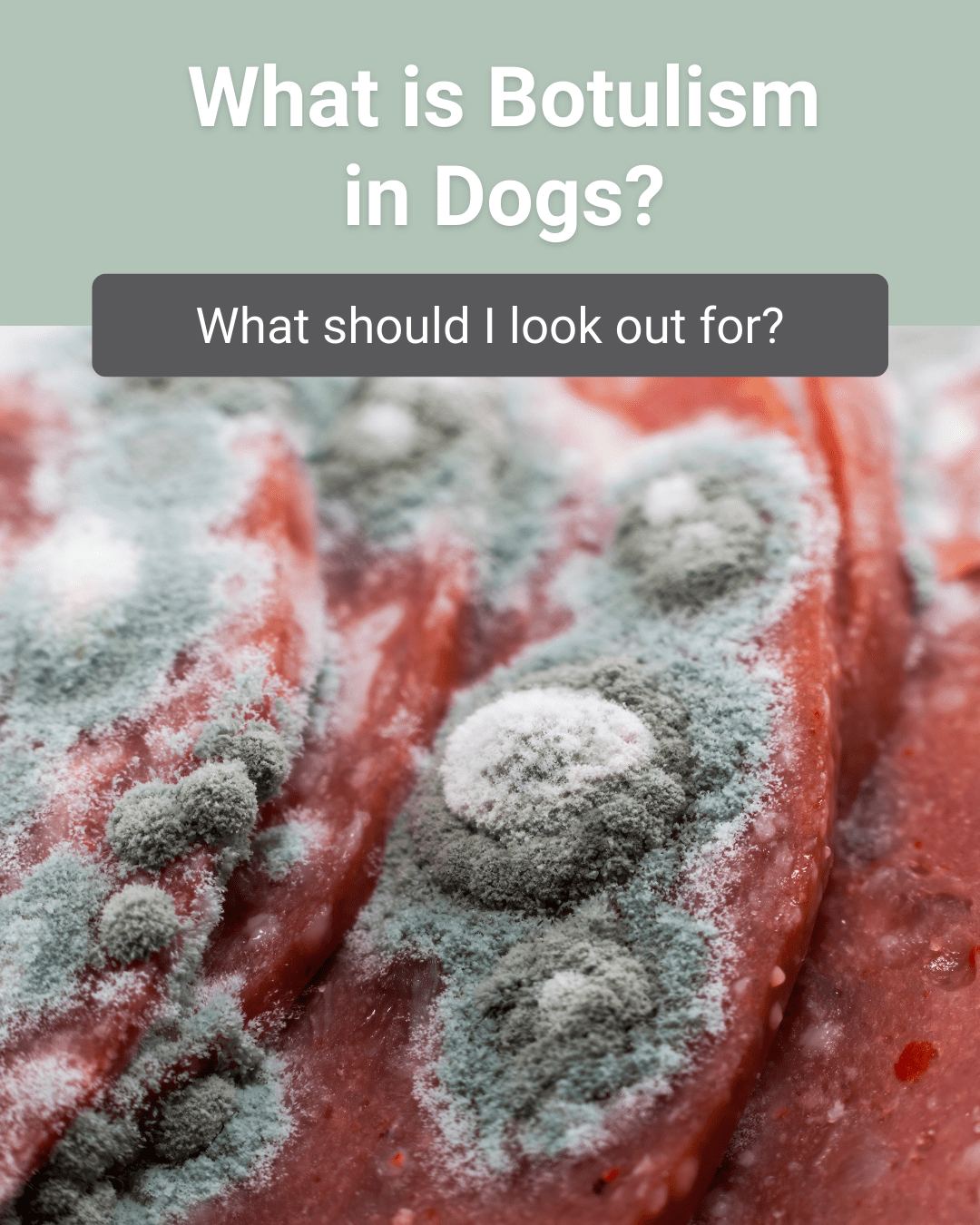
What is Botulism in Dogs and What Should I Look Out For?
Botulism in dogs is a rare, but serious condition caused by botulinum, a toxin that attacks the nervous system. This dangerous neurotoxin is produced by the bacterium, clostridium botulinum, which grows rapidly on spoiled meat and vegetation and can be found anywhere in the environment. What Causes Botulism in Dogs? Botulism is most commonly known…

Dog Anesthesia: When Is It Needed and Is It Safe?
Anesthesia is a drug-induced, temporary loss of awareness and sensation used for medical purposes. Under dog anesthesia, a patient’s consciousness is controlled so that: Your dog cannot move Your dog cannot feel pain Your dog is unaware of what is going on Your dog is unable to remember the experience When is Dog Anesthesia Necessary?…

4 Things You Should Know about Pug Myelopathy
Pug myelopathy is an uncommon condition in dogs that is still not fully understood. In fact, much remains open to debate, right down to its name. It is sometimes referred to as subarachnoid diverticulum, pug ataxia, and facet hypoplasia. At Southeast Veterinary Neurology, we prefer the term constrictive myelopathy. What Exactly is Pug Myelopathy? First, what…

Myelomalacia in Dogs
When a severe spinal cord injury renders a dog unable to move its legs or feel its toes, about 10-15% of dogs will go on to develop a devastating condition called myelomalacia, whether successfully treated for the initial problem or not. In this article, we’ll explain everything you need to know about myelomalacia in dogs.…
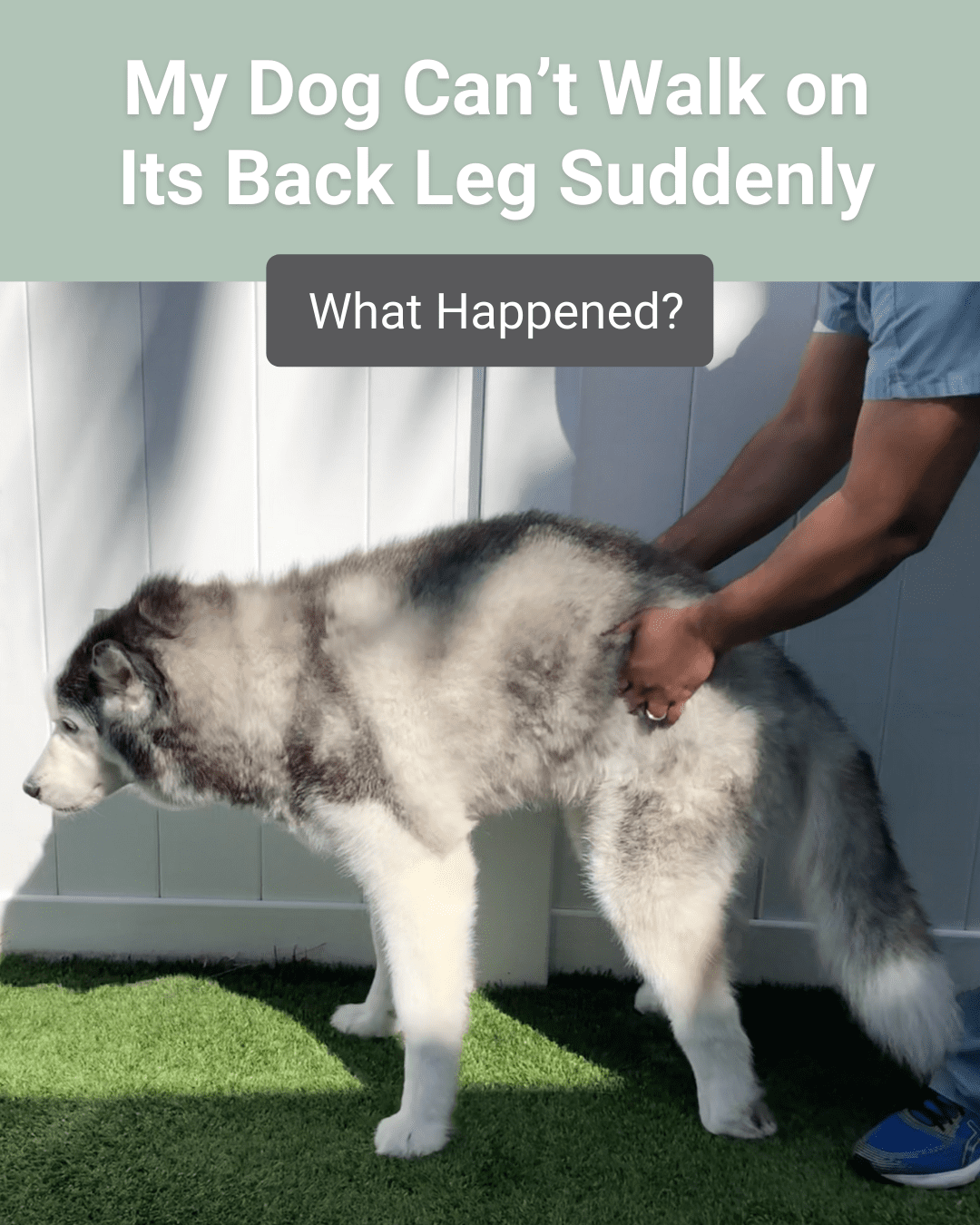
My Dog Can’t Walk on Its Back Leg Suddenly: What Happened?
When your dog can’t walk on its back leg suddenly and for no reason that you can see, it can be difficult to guess what happened. Some cases of lameness resolve by themselves, but it can also indicate a more serious injury or even an underlying neurological condition. Things to Consider When Your Dog Can’t…
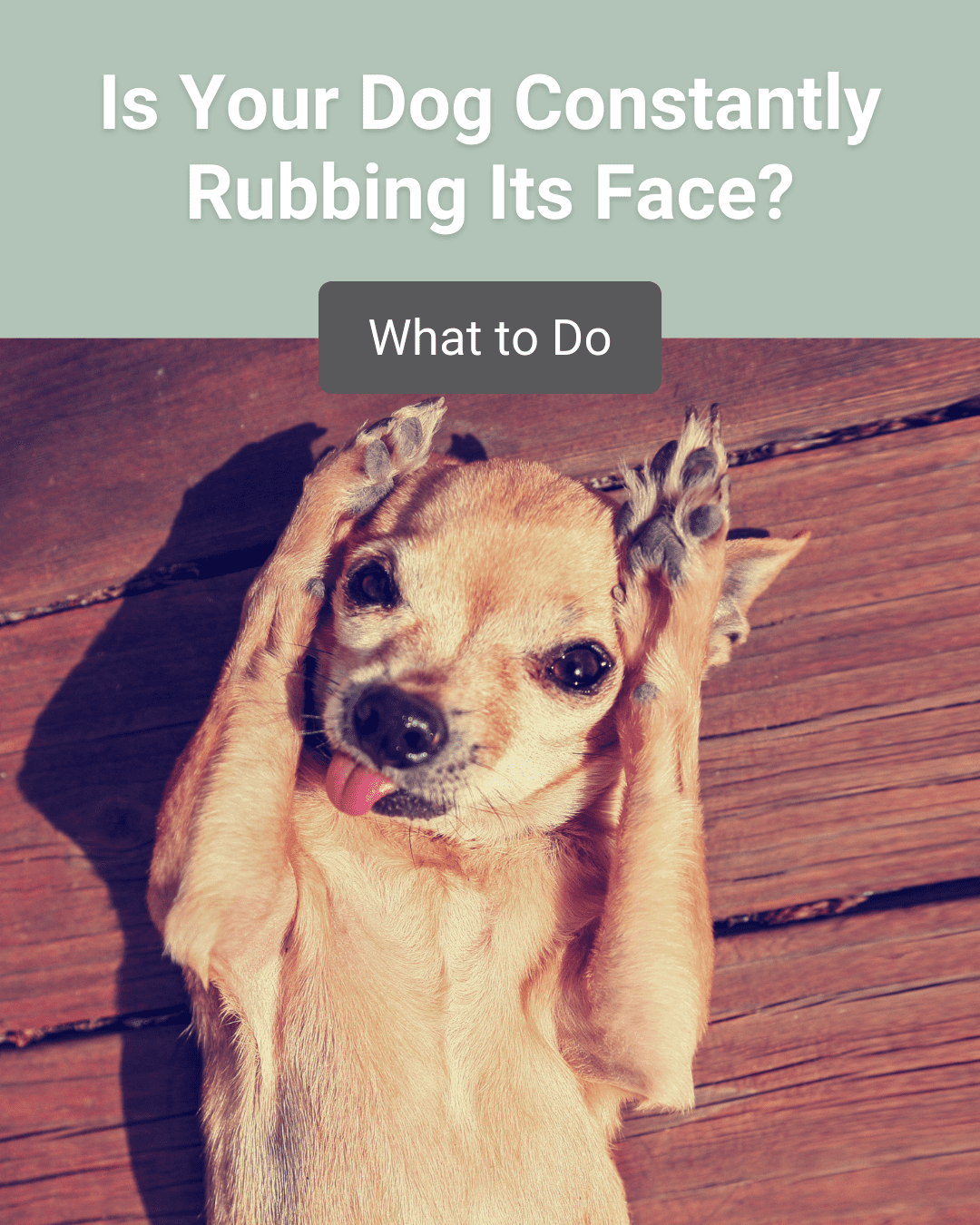
What to Do When Your Dog Constantly Rubs Its Face
If you pay attention, you will likely find yourself rubbing your eyes or scratching your head, nose, ears, and face throughout the day. Similarly, you might notice your dog rubbing its face with its paws or across walls, furniture, carpet, the ground, or even on you. Why Is Your Dog Rubbing Its Face? Some kind…

Dog Vertigo: Signs and Can It Be Treated
Vestibular disease in dogs refers to any disturbance in a dog’s vestibular system. From a pet parent perspective, vestibular disease may look like dog vertigo. The vestibular system exists to help humans and animals with their balance, coordination, and orientation. It is made up of two parts. The peripheral vestibular system is made up of…

4 Neurological Reasons Your Dog is Lethargic
Lethargy is a condition that can be characterized by unusual fatigue and an overall reduction in motivation. A lethargic dog is either unable or unwilling to get up for almost anything and may seem uninterested in its favorite routines, toys, or even food. Why Is My Dog Lethargic? The problem with looking up “why…

Sudden Paralysis in Dogs: Sasha’s Story
From one minute to the next, a perfectly healthy, happy-go-lucky ball of canine energy was reduced to a painful and frightened paraplegic. The young dog was experiencing sudden paralysis, and her future was hanging in the balance. Earlier that morning, Sasha’s parents said goodbye to their playful little dachshund as they left for work, just…

My Dog Keeps Walking in Circles all of a Sudden
There are very few instances when your dog walking in circles would be considered normal. “Some dogs may turn in place several times before they lie down or empty their bowels, but that is a learned behavior,” says Dr. Michael Reese, Veterinary Neurologist at Southeast Veterinary Neurology. If your dog has suddenly started walking in…